Biblical Peacemaking in Nigeria
Current Bethany student Issac Dominic Sauri is gathering stories from fellow students and alumni in Nigeria in order to document how these individuals are putting their education and faith into practice in their ministries. We are grateful to Issac for making it possible for us to share this story, and to Oluwaseyitan Adejumoke Ogunshola for sharing a recent ministry experience.
Oluwaseyitan Adejumoke Ogunshola (current student)
Jos, Plateau State, Nigeria
June, 2026
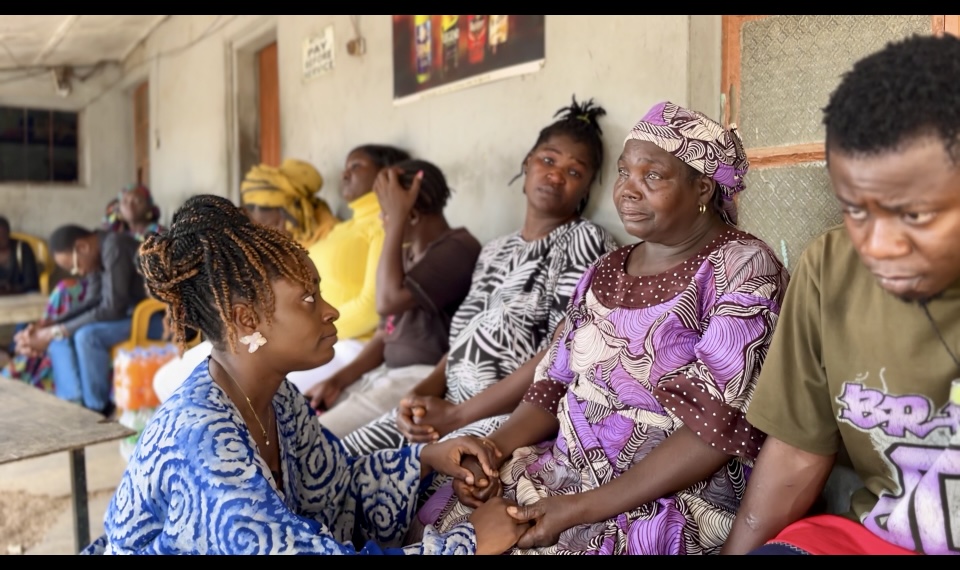
On June 12, 2026, I had the privilege of ministering to the Christian community of Angwan Rukuba in Jos, Plateau State, following a devastating attack in which armed assailants killed and injured several residents. My sermon, God Has Not Forgotten, was based on Revelation 18:1-19:10 and Revelation 6:10, exploring God’s righteous justice as the answer to the cries of those who suffer injustice.
I had prepared to minister to a grieving community, but upon arrival I discovered that my audience included individuals who had experienced heartbreaking personal losses in the attack: a mother who lost her only son, a pregnant woman who lost her mother, an elderly woman who lost her son, a young woman who lost her father, and a young man who lost his younger brother. Realizing this, I set aside my planned introduction, invited the congregation into a moment of silence, and acknowledged our shared pain as Nigerians living in a nation marked by recurring violence. This created an atmosphere of empathy before the preaching of the Word.
The sermon addressed the question raised by the martyrs in Revelation 6:10: “How long, O Lord?” I encouraged the congregation to see that God’s response to injustice is not indifference but righteous judgment. While believers are called to reject revenge and resist becoming shaped by hatred, they can pursue peace because God sees, hears, remembers, and will judge evil in His perfect time. The message was simply this: God has not forgotten His people.
The ministry extended beyond the sermon itself. Afterward, I spent time praying with, listening to, and embracing each of them one after the other. One young pregnant woman shared that although many people had visited her since her mother’s death, this was the first time she had truly cried. She said the message gave her permission to grieve and reminded her that God had not forgotten her. Another woman who had repeatedly cried out to God after losing her son said she left encouraged and hopeful. Through EveryWoman Impact Network (my personal ministry and NGO), I also provided snacks and drinks as a practical expression of care and solidarity. The message opened the door, but personal interaction solidified a connection.
This experience reshaped my understanding of Shalom. I witnessed that biblical peace is not the denial of pain but God’s restoring presence amid it. Shalom was expressed through Scripture, compassionate presence, prayer, practical support, and renewed hope. It affirmed my conviction that Christian peacemaking involves walking with the wounded, pointing them to God’s faithfulness, and reminding them that even in seasons of profound loss, God sees, God hears, God remembers, and God has not forgotten His people.


 Green Circle: Bethany invests in 100% renewable energy.